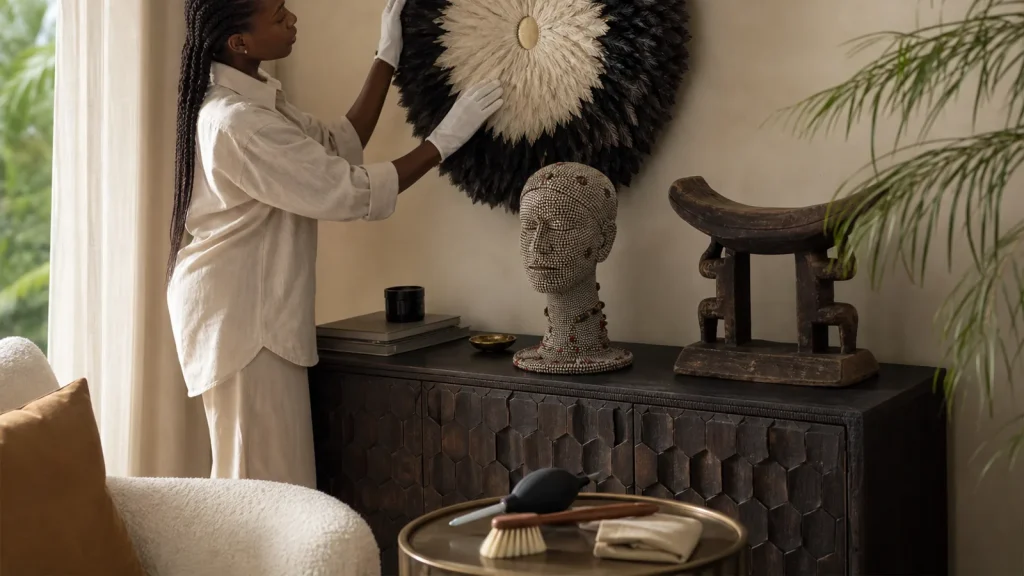
-
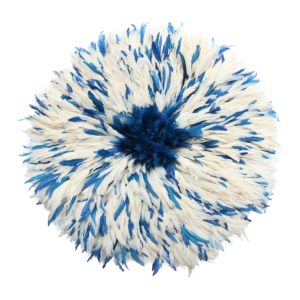 Juju Hat
Juju hat white speckled blue
Price range: 127,00 € through 255,00 € This product has multiple variants. The options may be chosen on the product page -
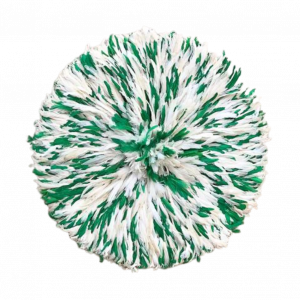 Juju Hat
Juju hat white speckled green
Price range: 127,00 € through 255,00 € This product has multiple variants. The options may be chosen on the product page
Why care matters for heritage pieces
Each handcrafted piece carries the rhythm of its maker. Feathers once danced in ceremonies, beads were stitched one by one, and a Bamileke stool was carved from a single block with patience and purpose. Good care does not erase age or patina. It simply slows wear so the story remains clear and the beauty stays present.
A simple care schedule
Consistency is kinder than intense, occasional cleaning. Build a calm routine that fits your home or project.
- Weekly – Light dusting of exposed surfaces using soft, dry tools. Quick check for new scuffs, loose threads or shifting parts.
- Monthly – Deeper dusting, including undersides and hidden recesses. Gently rotate display angles to even out light exposure.
- Seasonally – Review placement relative to windows, heaters and vents. Check humidity with a simple hygrometer and adjust if needed.
- Annually – Full condition review. Note small changes and decide if a conservator should evaluate any cracks, loose components or stains.
Feather pieces – light touch, airy results
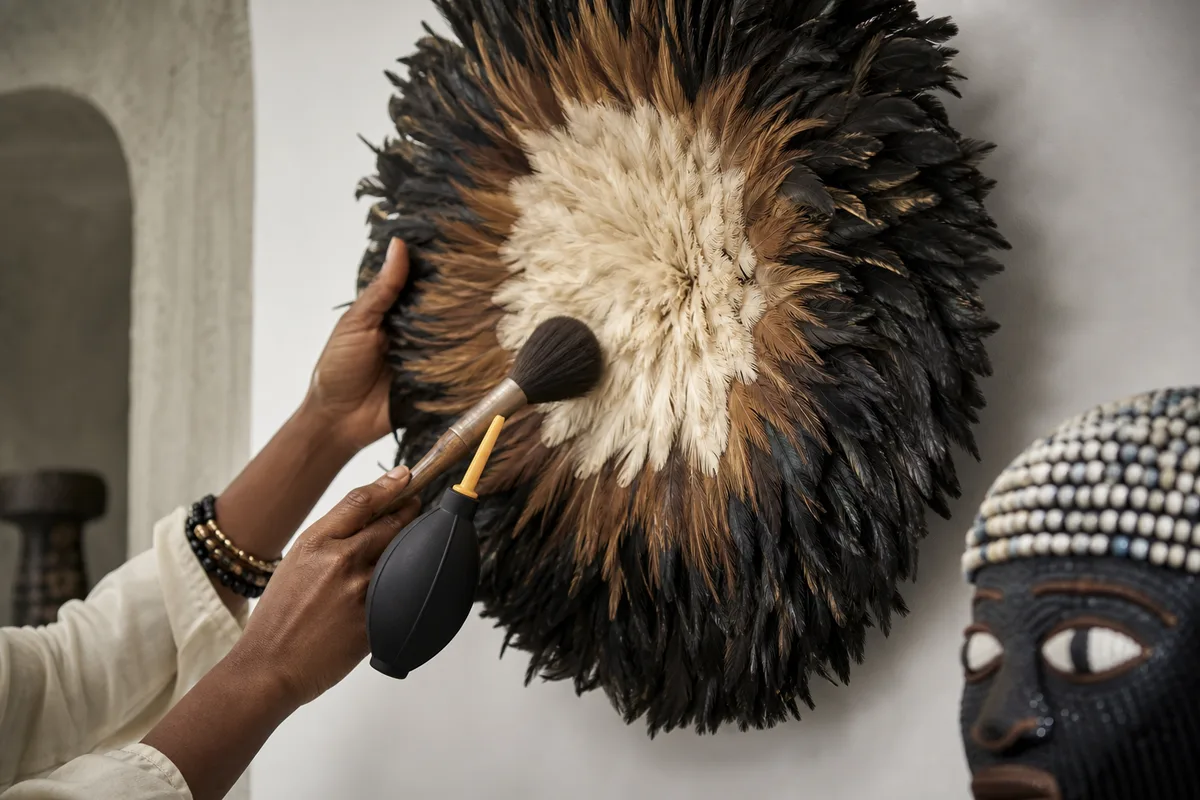
Feathered works like Juju Hats are delicate and responsive to air, light and moisture. Treat them like you would a fine silk garment: minimal handling, gentle tools, stable surroundings.
Dusting and reshaping
Support the piece so it does not flex. Using a clean, very soft brush or a feather duster, guide dust away with small, outward strokes. A hand air blower can lift dust from between layers without touching the quills. Avoid direct vacuuming. To revive volume, let the piece rest in a steamy bathroom for a few minutes, away from droplets, then air dry in a well-ventilated room. Do not use hairdryers or heat.
Humidity and light
Feathers prefer stable, moderate humidity. Avoid damp bathrooms, kitchens and direct airflow from vents. Keep out of direct sun to prevent fading and brittleness. Sheer curtains or indirect placement help preserve color and flexibility.
Stains and storage
Do not wet-clean feathers. Liquid can bind dust, warp quills and cause dye bleed. If a stain occurs, pause and consult a professional. For storage, keep pieces flat or lightly supported in a breathable cover with acid-free tissue to prevent crushing.
Beaded works – respect the thread
Beaded heads, masks and sculptures rely on thread, resin or wire beneath the sparkle. Surface dust is easy to remove, but protecting the structure is the real goal.
Safe cleaning
Brush dust off with a small, soft brush, working from top to bottom so particles fall away. For gathered dust in crevices, use a low-suction vacuum held near the surface with a clean mesh screen between the nozzle and beads. Never spray cleaners or water. Liquids can swell threads and loosen adhesives.
Preventing thread fatigue
Display beaded works where people will not brush against them. Vibration and constant movement strain the inner structure. If the piece is heavy, make sure the base or mount supports the weight evenly so no single strand is carrying the load. Consider rotating display to give delicate works time to rest.
Handling and display
Lift from the base or the most solid, non-beaded area. Keep jewelry, watches and rough fabrics away during handling. If mounting on a wall, choose supports that spread weight broadly and avoid point pressure. Adhesive strips can fail over time; use mechanical fixings designed for art display when possible.
Carved wood – living material
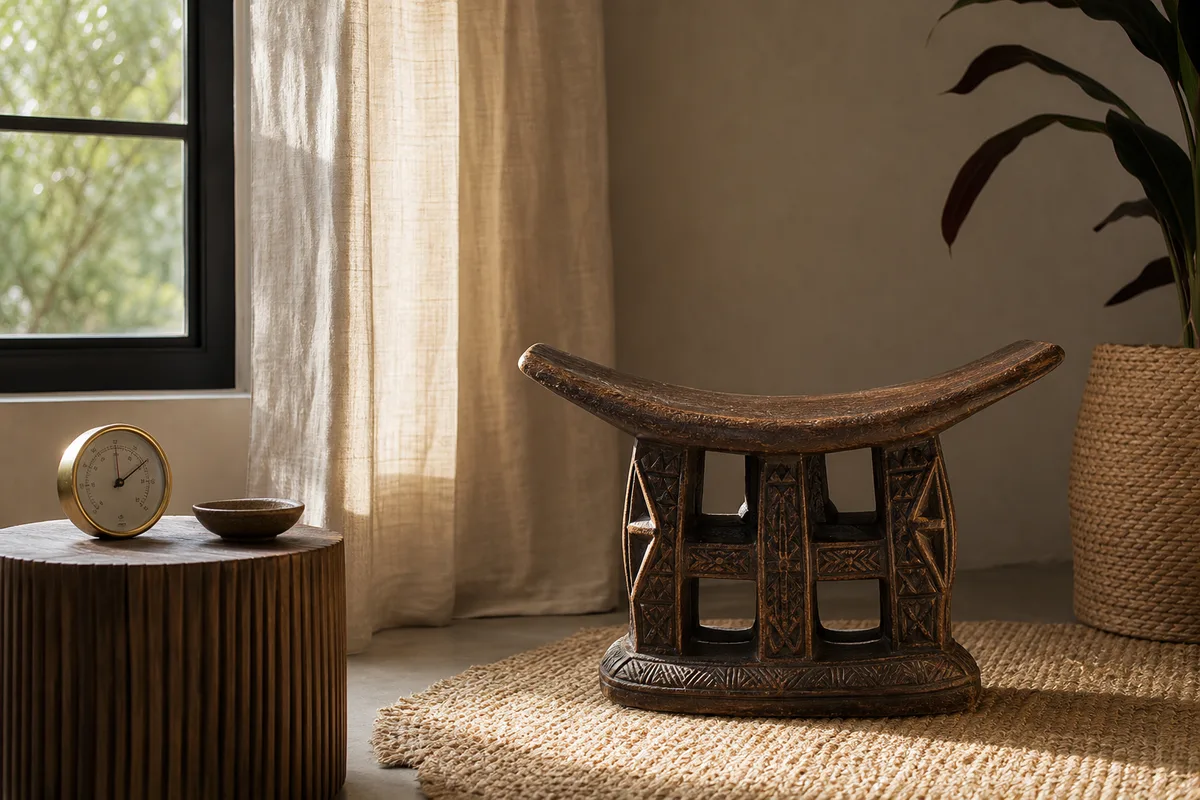
From Bamileke stools to masks and shields, carved wood continues to respond to its environment. With gentle dusting and steady conditions, it will age with grace.
Routine dusting
Use a soft, clean brush or dry microfiber cloth. Guide dust out of carvings instead of pushing it deeper. You can hold a vacuum nearby with a brush attachment to catch dust as you work. Avoid wet cloths, which can raise the grain or create marks.
Humidity control and cracks
Keep wood away from radiators, fireplaces, sunny window sills and air vents. Sudden swings in heat or humidity can open cracks or loosen joints. Felt pads under stools and objects buffer from floor heating and reduce vibration. If you notice fresh cracks, movement at joints or fine powder that could indicate pests, pause display and seek professional advice.
Finishes and what to avoid
Do not apply household oils, polishes or waxes. Many products attract dust, alter color and can be hard to reverse. If a finish looks dry or uneven, limit care to dry dusting and consult a conservator for any treatment. Keep solvents, soaps and scented sprays away from the surface.
Universal do-nots
- Do not soak, spray or wash pieces.
- Do not use strong cleaners, solvents or silicone polishes.
- Do not vacuum feathers or beads directly without a protective mesh.
- Do not display in direct, harsh sunlight.
- Do not place near heaters, fireplaces or active vents.
- Do not hang heavy works on weak or single-point fixings.
- Do not force-fit objects into tight shelves or cases.
When to call a professional
Ask for help if you see loose feathers, lifting bead rows, missing beads, wobbling bases, fresh cracks, movement at joints, active insects or stains. Professionals can re-thread, consolidate, clean stains safely and design mounts that protect weight-bearing points. Early attention is easier and kinder to the piece than after-the-fact rescue.
For designers and venues
Plan for care from the concept stage. Specify indirect light, stable climate zones, and traffic flow that keeps guests from brushing against pieces. Choose mounts that distribute weight and are reversible. Provide housekeeping teams with a simple one-page care card listing tools, frequency and red flags. For rotations or seasonal decor, document placement and packing with photos so handling stays consistent across teams. If you are sourcing multiple items, request basic condition notes and any maker guidance to brief your installers. A little clarity protects beauty, budgets and timelines.
-
 Stool
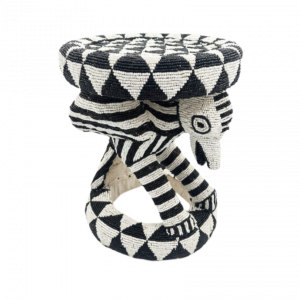
StoolRoyal Beaded Bamileke Stool Bird Black White
Price range: 519,00 € through 1039,00 € This product has multiple variants. The options may be chosen on the product page -
 Juju Hat
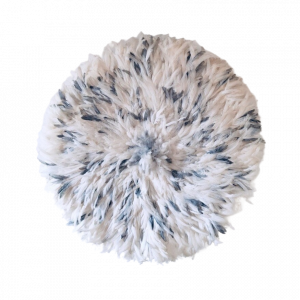
Juju hat white speckled pearl gray
Price range: 127,00 € through 255,00 € This product has multiple variants. The options may be chosen on the product page -
 Juju Hat
Juju hat black
Price range: 127,00 € through 255,00 € This product has multiple variants. The options may be chosen on the product page