This product has multiple variants. The options may be chosen on the product page
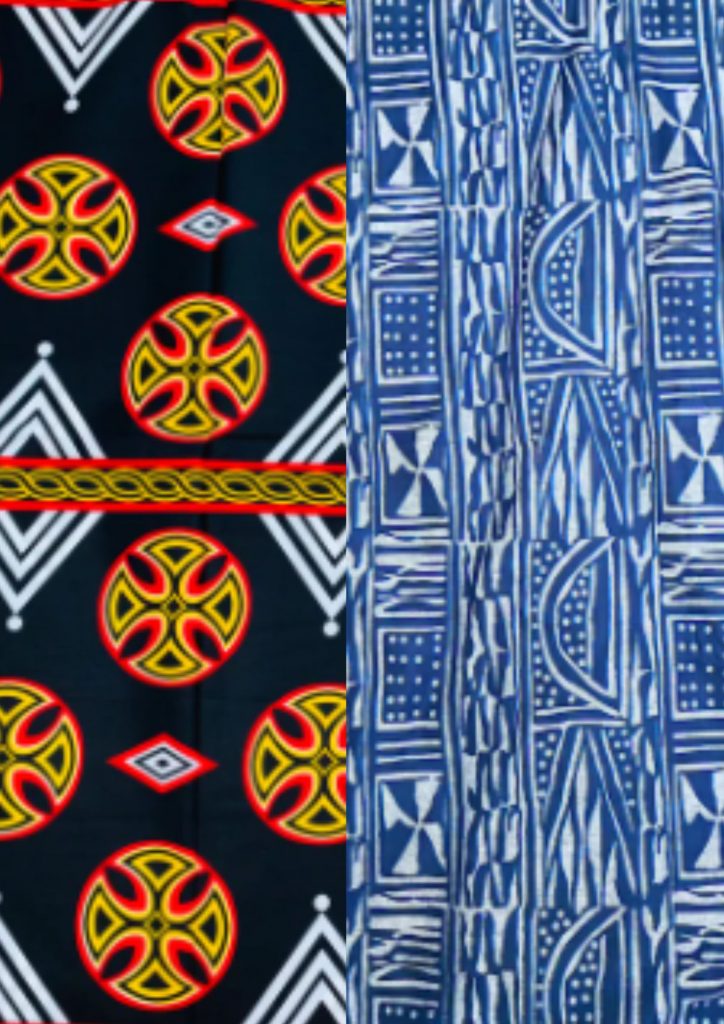
Cameroon carries a remarkable textile heritage, and two fabrics stand out with singular strength: Ndop and Toghu. Both originate from the Grassfields kingdoms, yet each tells a different story. Together, they form a cultural bridge between royalty, spirituality, and contemporary identity.
The ndop fabric, geometry, indigo, and ancestral wisdom
Ndop fabric holds a sacred place in Bamileke culture. Artisans weave cotton by hand, stitch raffia motifs with precision, and immerse the fabric in natural indigo baths. As the stitches come off, patterns appear with clarity and intention. The process feels almost ritualistic, because each gesture echoes generations of knowledge.
Moreover, Ndop motifs never arise by chance. They reflect a symbolic system deeply rooted in memory:
the spider, keeper of intelligence and creation;
the two-headed lizard, emblem of duality and adaptability;
the moon and sun, guardians of rhythm and harmony;
the kolanut, symbol of welcome and unity.
Thus, ndop does more than decorate a space, it transmits a worldview shaped by balance, community, and spirituality.
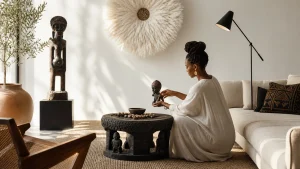
Today, ndop naturally integrates into contemporary interiors. Its indigo depth, geometric strength, and spiritual dimension offer a quiet, soulful presence wherever it hangs or rests.
The Toghu fabric, royal elegance and vibrant storytelling
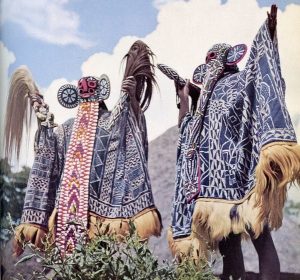
While Ndop speaks with indigo and geometry, Toghu expresses itself through movement and color. Born among the Bamenda Grassfields kingdoms, Toghu once dressed kings, queens, and dignitaries during ceremonies and festivals. Artisans trace the motifs by hand, then embroider them with vivid threads, creating a fabric that almost breathes through its patterns.
Toghu motifs celebrate royalty, bravery, fertility, community, and ancestry. Every line follows the rhythm of the artisan’s hand; every color reinforces the narrative. Unlike mass-produced textiles, Toghu carries identity as a living energy.
In addition, Toghu continues to evolve. Designers, dancers, and cultural ambassadors now reinterpret it in fashion, performance, and art installations. Thus, a fabric once reserved for elite ceremonies now becomes a global ambassador of Cameroon’s creative spirit.
Two fabrics, one cultural heartbeat
Although Ndop and Toghu differ in technique and appearance, they share a common soul. They both anchor communities in their origins, while offering new forms of expression to future generations.
Ndop embodies silence, symbolism, introspection.
Toghu embodies movement, color, celebration.
Together, they reveal the complexity and richness of Cameroon’s artistic identity.
A legacy that continues through the hands that create it
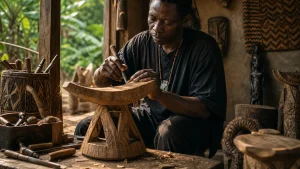
In the villages where these fabrics originate, artisans carry stories that predate modern borders. They spin cotton, dye indigo, embroider symbols, and share their time with a patience that defies haste. Their work reminds us that beauty arises from intention and discipline.
Therefore, supporting these artisans means more than acquiring a textile. It means sustaining a lineage, strengthening communities, and allowing ancient techniques to remain alive and dignified.
At Karioska, we honor this heritage by collaborating directly with artisans in Cameroon. This connection ensures authenticity, fair compensation, and cultural continuity, from the moment the fabric is created to the moment it enters your home.
Ndop and Toghu, fabrics that speak
They do not follow trends. They do not chase attention. Instead, they whisper the stories of a people, a land, and a time that continues to flow through the hands that shape them.
Ndop offers depth. Toghu offers radiance. Both offer meaning, a quiet luxury, woven with intention.
Shop finesse in African handcrafts
Juju hat white mix brown ring to Pinterest (opens in a new window)
. Free shipping on first order with code “FREESHIP” . Buy now, pay later with PayPal, Klarna . Delivery in 3 to 7 business days . Easy tracked returns within 30 days . All juju hats come with our signature golden closure – contact us for the black option . Each order empowers women artisans and sustains ancestral craftsmanship . Each order prepared and shipped by hand from Cameroon to ensure authenticity
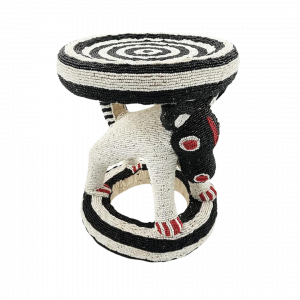 Stool
Stool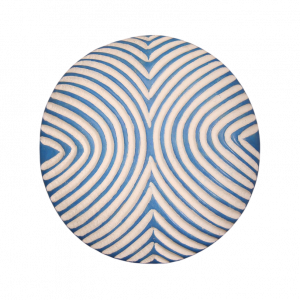 Shield
 Juju Hat
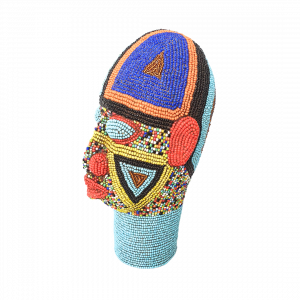 Beaded Head
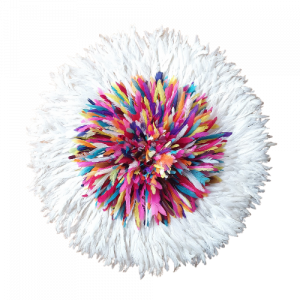 Juju Hat