-
 Juju Hat
Juju hat white mix brown ring
Price range: 127,00 € through 255,00 € This product has multiple variants. The options may be chosen on the product page -
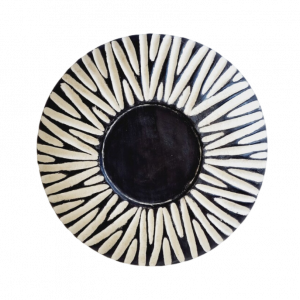 Shield
Bamileke Shield Iro
Price range: 109,00 € through 237,00 € This product has multiple variants. The options may be chosen on the product page
The heart of ethical sourcing
Ethical sourcing is not a label. It is a chain of choices that respect people, materials and culture from the first conversation with an artisan to the moment a piece finds its place in a living room, a hotel lobby or a gallery wall.
If you love African decorative arts, you are also choosing a relationship with heritage. That relationship works best when buyers know what to expect and sellers are transparent about how pieces are made, acquired and cared for.
What this means for collectors and professionals
Whether you are a collector seeking a singular mask or an interior designer curating a full hospitality project, ethical sourcing gives you clarity and confidence. In practice, it comes down to four pillars you can look for in any purchase.
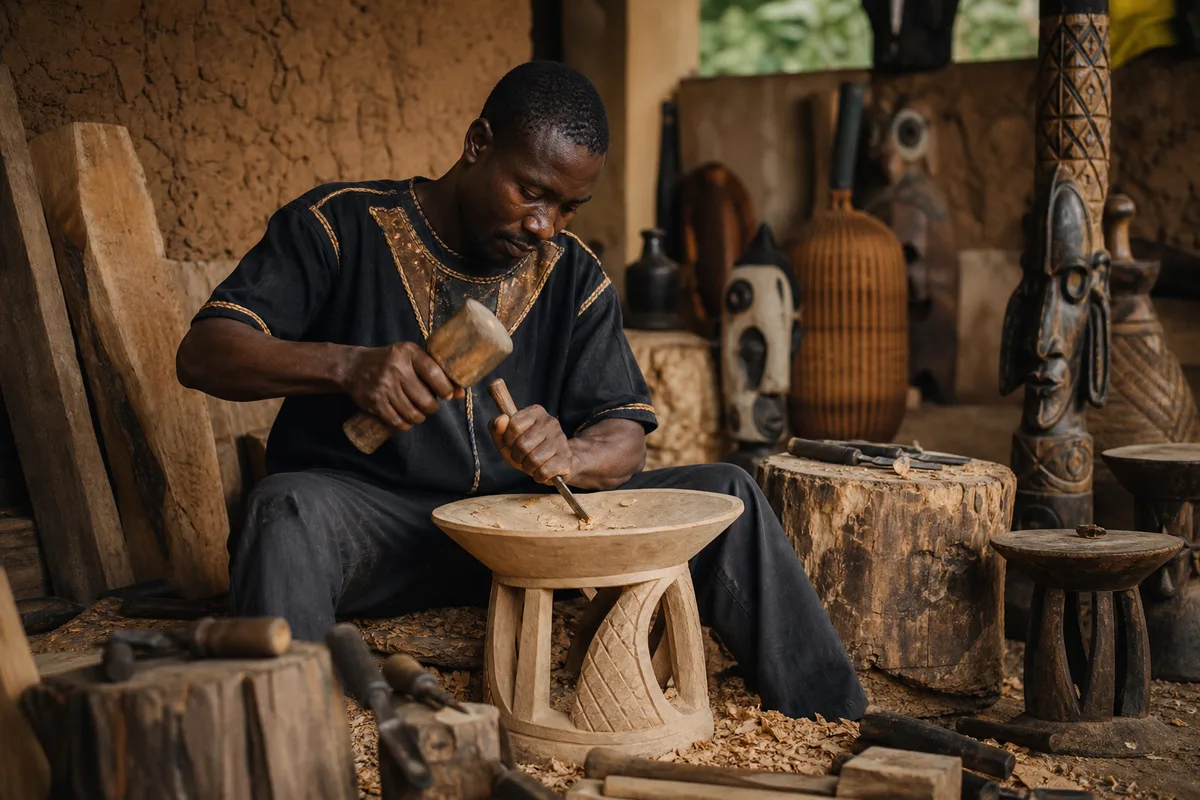
The four pillars buyers should expect
1. Fair compensation
Fair pay recognizes time, skill and cultural knowledge. It values the artisan as a creator, not a supplier of cheap labor. For buyers, fair compensation shows up in pricing that reflects real craft, not mass production.
- Prices agreed with artisans in advance and paid on time, including deposits for made-to-order work when appropriate
- No pressure to rush production that would compromise quality or safety
- Room for artisans to price specialty techniques and complex finishes honestly
2. Respectful collaboration
Respect begins with listening. Designs, colorways or dimensions can be adapted for contemporary interiors without erasing the maker’s voice or the object’s meaning.
- Clear briefs that leave space for artisan expertise and local methods
- Credit for the artisan or collective when known and when they consent
- Sensitivity to cultural context, especially for ceremonial forms and motifs
3. Material compliance and care
Ethical pieces are safe to own and legal to trade. Materials are chosen and treated with care, respecting environmental rules and the health of those who make and live with the work.
- Avoidance of restricted species and adherence to permit requirements where applicable (for example, CITES-listed materials)
- Clear description of primary materials and finishes
- Appropriate pest or kiln treatment for wooden items and careful, non-toxic finishes whenever feasible
4. Transparent provenance
Provenance is the documented story of a piece. It supports authenticity, preserves context and helps future caretakers understand how to live with and display the work responsibly.
- Origin information such as country, community or region
- Artisan, workshop or collective name when known and shared with consent
- Date or period of creation as an estimate where exact dating is not possible
- Acquisition details and custody trail from maker to client
- Condition notes, care guidance and any restoration disclosures
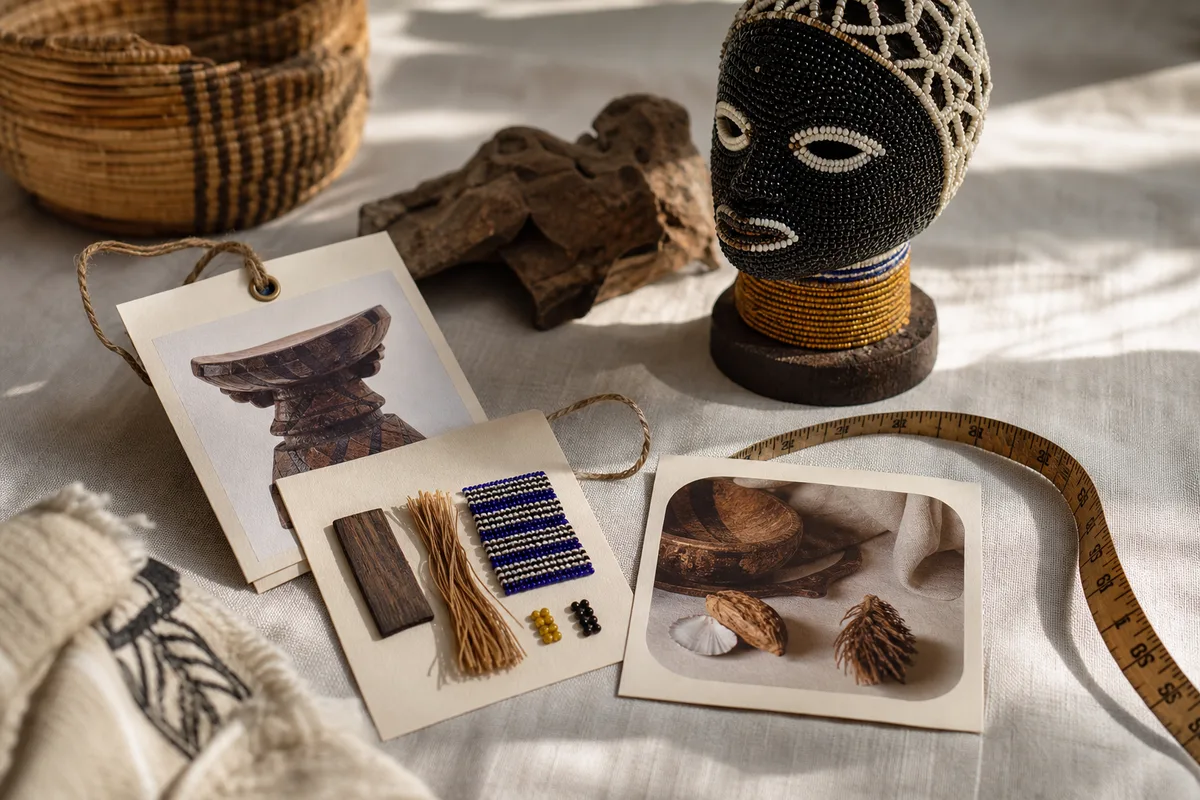
How Karioska approaches sourcing
At Karioska, our approach centers on authenticity, collaboration and clarity. We focus on pieces rooted in the heritage of Cameroon and selected neighboring traditions, balancing respect for origin with the needs of contemporary interiors.
We prioritize direct relationships with artisans and trusted community partners where possible. We plan production with realistic timelines, document materials and processes to the best of our ability, and avoid restricted materials. For vintage or older pieces, we look for clear ownership and context, favoring items that can be responsibly collected and cared for. Our goal is a selection that is beautiful, truthful and ready for long-term stewardship.
Ethics should be visible in the piece itself – in its quality, its story and the way it reaches your hands.
What you can request from Karioska
Transparency is a shared responsibility. To support your due diligence, you can request the following when available for a given piece or project:
- An information sheet describing origin, materials, approximate period and maker or collective if known
- A simple provenance note explaining how the piece was acquired
- A condition and care summary, including mounting or hanging recommendations
- Material details for compliance and maintenance (for example, wood species or fiber type)
- Photos and measurements for spatial planning or B2B specifications
- Relevant permits when legally required for the materials used
- A detailed invoice referencing origin country and item description
Practical checklists for collectors and B2B projects
For collectors and design lovers
- Ask how the price reflects the technique and labor involved
- Request origin and maker details where known and consented
- Confirm materials and any treatments used on wood, pigments or beads
- Seek care guidance to preserve patina without damaging the work
- If the piece is vintage, ask what is known about prior ownership and any restoration
For interior designers, hotels and venues
- Share timelines early to align with artisan production cycles
- Request spec sheets with dimensions, weight and installation notes
- Ask for batch consistency parameters when ordering multiples while accepting hand-made variation
- Clarify material compliance needs for your country and venue type
- Plan for packing, handling and environmental conditions on site
Caring for cultural heritage at home
Ethical sourcing continues after purchase. Place pieces away from direct heat or harsh sun, dust gently, and use reversible mounting when possible. Keep the provenance and care notes with the object. When you live with a piece that carries its story, you take part in its future. That is the quiet beauty of collecting – ethics and aesthetics, held together in your hands.
-
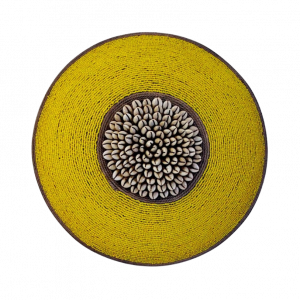 Shield
Bamileke Shield beads cowries yellow
Price range: 109,00 € through 139,00 € This product has multiple variants. The options may be chosen on the product page -
 Juju Hat
Juju hat blue
Price range: 127,00 € through 255,00 € This product has multiple variants. The options may be chosen on the product page -
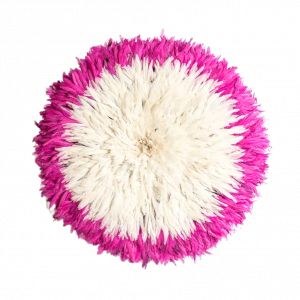 Juju Hat
Juju hat white pink fuchsia
Price range: 127,00 € through 255,00 € This product has multiple variants. The options may be chosen on the product page