African craft

African craft

The Bamileke Ndop and the Toghu fabric, two symbols of Cameroon’s living heritage

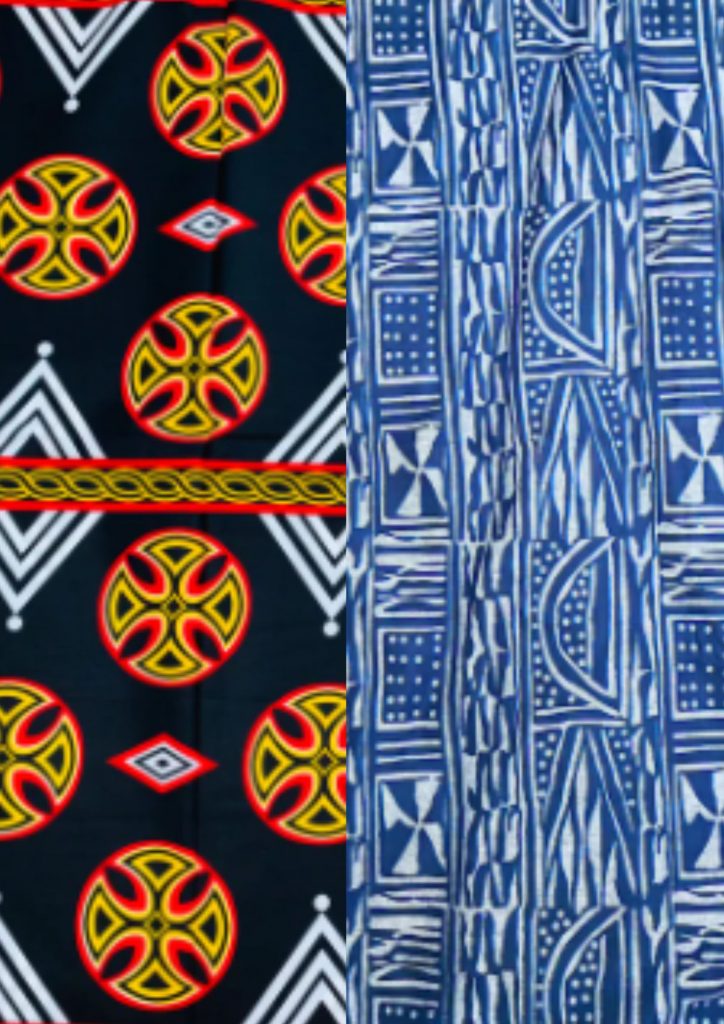
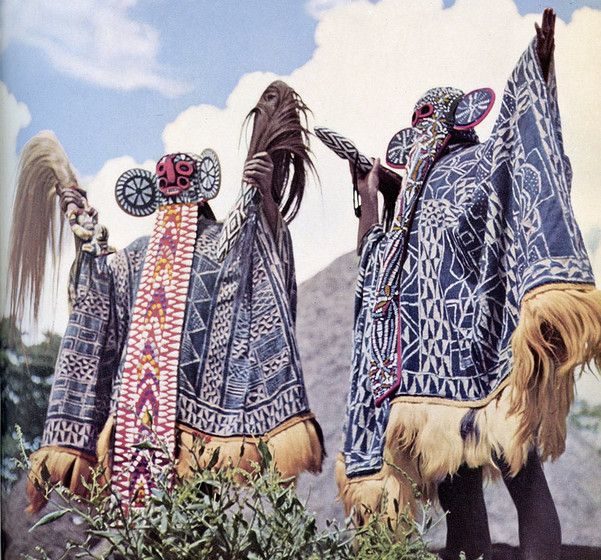
Cameroon carries a remarkable textile heritage, and two fabrics stand out with singular strength: Ndop and Toghu. Both originate from the Grassfields kingdoms, yet each tells a different story.Together, they form a cultural bridge between royalty, spirituality, and contemporary identity. The ndop fabric, geometry, indigo, and ancestral wisdom Ndop fabric holds a sacred place in Bamileke culture. Artisans weave cotton by hand, stitch raffia motifs with precision, and immerse the fabric in natural indigo baths. As the stitches come off, patterns appear with clarity and intention. The process feels almost ritualistic, because each gesture echoes generations of knowledge. Moreover, Ndop motifs never arise by chance. They reflect a symbolic system deeply rooted in memory: Thus, ndop does more than decorate a space, it transmits a worldview shaped by balance, community, and spirituality. Today, ndop naturally integrates into contemporary interiors. Its indigo depth, geometric strength, and spiritual dimension offer a quiet, soulful presence wherever it hangs or rests. The Toghu fabric, royal elegance and vibrant storytelling While Ndop speaks with indigo and geometry, Toghu expresses itself through movement and color.Born among the Bamenda Grassfields kingdoms, Toghu once dressed kings, queens, and dignitaries during ceremonies and festivals. Artisans trace the motifs by hand, then embroider them with vivid threads, creating a fabric that almost breathes through its patterns. Toghu motifs celebrate royalty, bravery, fertility, community, and ancestry. Every line follows the rhythm of the artisan’s hand; every color reinforces the narrative. Unlike mass-produced textiles, Toghu carries identity as a living energy. In addition, Toghu continues to evolve. Designers, dancers, and cultural ambassadors now reinterpret it in fashion, performance, and art installations. Thus, a fabric once reserved for elite ceremonies now becomes a global ambassador of Cameroon’s creative spirit. Two fabrics, one cultural heartbeat Although Ndop and Toghu differ in technique and appearance, they share a common soul.They both anchor communities in their origins, while offering new forms of expression to future generations. Together, they reveal the complexity and richness of Cameroon’s artistic identity. A legacy that continues through the hands that create it In the villages where these fabrics originate, artisans carry stories that predate modern borders. They spin cotton, dye indigo, embroider symbols, and share their time with a patience that defies haste. Their work reminds us that beauty arises from intention and discipline. Therefore, supporting these artisans means more than acquiring a textile. It means sustaining a lineage, strengthening communities, and allowing ancient techniques to remain alive and dignified. At Karioska, we honor this heritage by collaborating directly with artisans in Cameroon. This connection ensures authenticity, fair compensation, and cultural continuity, from the moment the fabric is created to the moment it enters your home. Ndop and Toghu, fabrics that speak They do not follow trends.They do not chase attention.Instead, they whisper the stories of a people, a land, and a time that continues to flow through the hands that shape them. Ndop offers depth. Toghu offers radiance. Both offer meaning, a quiet luxury, woven with intention.

African craft

Everything to know about the Bamileke Ndop fabric

Among Cameroon’s most emblematic artistic expressions, the Ndop fabric stands apart as a symbol of identity, heritage, and spiritual meaning.More than a textile, Ndop is a visual language, a fabric where stories, symbols, and ancestral memory are woven into indigo and cotton.It is a creation that speaks quietly, through geometry, rhythm, and intention. A fabric rooted in ritual and royalty For centuries, Ndop fabric has been used in royal ceremonies, spiritual rites, and significant cultural events within Bamileke society. Reserved for kings, nobles, and people of elevated status, it represented wisdom, leadership, and connection to the spiritual world. Traditionally, Ndop is made from handwoven cotton and dyed with deep indigo extracted from natural pigments. The process follows ancestral resist-dyeing techniques, where raffia stitches are placed onto the cotton before dyeing.Once removed, these stitches reveal geometric patterns, each one carrying cultural significance. Ndop is not decorative by chance. Every motif is chosen with intention. The symbolism of indigo In Bamileke cosmology, indigo is more than a color, it is a symbol of protection, vitality, and continuity. It has the meaning of purity, virtue, and spiritual clarity.That is why Ndop fabric is present during rites of passage, births, blessings, funerals, and transitions. To wear or display Ndop is to hold a shield of meaning, a piece believed to harmonize and elevate the space it inhabits. Motifs that speak Ndop designs form a coded visual vocabulary.Each motif represents a concept linked to nature, spirituality, or community values: A piece of Ndop fabric is never random.It is a map of symbols, a spiritual architecture expressed in cotton and dye. An ancestral technique preserved by hand Creating Ndop fabric is a meticulous process passed down through generations.It requires time, discipline, and a meditative understanding of the material. The steps remain entirely manual: This slow ritual connects the artisan to their lineage, a dialogue woven through time. At Karioska, we collaborate with artisans who practice this tradition with respect and mastery, ensuring that each Ndop fabric carries authentic origin and cultural integrity. A contemporary presence Though rooted in ancient customs, Ndop fabric naturally finds its place in modern interiors.Its depth, geometry, and symbolic resonance complement contemporary aesthetics beautifully. Whether used as: Ndop brings soul, narrative, and cultural depth to every space. It is not a trend.It is heritage made visible. Voir cette publication sur Instagram Une publication partagée par Dominique Breton (@dominique.breton.777) A living legacy Every Ndop fabric carries the imprint of those who created it, their time, their gestures, their understanding of the world.When you welcome Ndop into your home, you do not only acquire a textile. You receive a fragment of cultural memory, shaped by the hands and stories of the Bamileke people. Through Karioska’s direct collaboration with Cameroon’s artisans, each purchase contributes to the continuation of this sacred art form, ensuring that it endures with dignity and pride. Ndop, a fabric of meaning It is identity, a ritual, protection, art.It is a reminder that beauty can be both silent and profound, a quiet luxury woven from earth, indigo, gesture, and time.

cowrie shell mysterie
African craft

Cowrie shells: mystery, meanings and Origins

Cowrie shells hold a unique place in the history and culture of many civilizations across the globe. These small, oval-shaped shells with an opening on one side are much more than mere natural artifacts. They are symbols of material and spiritual wealth, carrying the essence of the mysterious oceans from which they emerge. The mystical origin of cowrie shells Cowrie shells are not just simple relics of the sea; they embody the mystical power of the marine world. Originating from the warm waters of the Pacific and Indian Oceans, these shells have crossed ages and continents to find their way into human hands. They represent a distant era, serving as a bridge between the material and spiritual realms. The journey of cowrie shells across civilizations Cowrie shells were used as currency in many ancient civilizations across Africa, Asia, and the Pacific Islands. Their value lay not only in their rarity but also in the beauty and perfection of their form. Cowries were also integral to religious rituals, divination ceremonies, and served as body ornaments symbolizing purity and prosperity. The profound symbolism of cowrie shells The symbolism of cowrie shells is rich and diverse, reflecting the complexity of the cultures that embraced them. Symbol of wealth and prosperity Cowrie shells have long been associated with wealth and prosperity. In many African cultures, they were used as a medium of exchange, and possessing many cowries was a mark of wealth and high social status. Connection to the Divine Cowries were frequently used in religious rituals and divination ceremonies. They were seen as conduits for communication with the divine, capable of revealing important messages during spiritual practices. Ornaments and protection As ornaments, cowries were incorporated into necklaces, bracelets, and other jewelry pieces. They were also used as protective amulets against negative forces and the evil eye. The cultural legacy of cowrie shells Cowrie shells are not relics of the past; they continue to exert a profound influence in contemporary culture. They epitomize the fusion of tradition and modernity, material and spiritual realms. Art and craftsmanship Cowries remain a staple in art and craftsmanship. They are integrated into jewelry, decorative objects, and artworks, carrying within them the stories and traditions of countless generations. Cowries in contemporary fashion In modern fashion, cowrie shells are experiencing a resurgence. They are used in accessories such as jewelry, bags, and clothing, adding an exotic touch and a deep connection to nature. Cowrie shells remain a living testimony to the richness of human cultures and the mystical allure of the ocean’s treasures. Each cowrie encapsulates the whispers of ancient civilizations and the breath of distant seas. Cowrie shells in contemporary spiritual practices The mystical aura of cowrie shells continues to resonate in today’s spiritual practices. They are widely used as talismans or amulets, believed to bring protection, prosperity, and good fortune to their owners. Meditation and energy healing In modern spiritual practices, cowrie shells are often used in meditation and energy healing. Their connection to the water element, symbolizing purification, encourages the flow of positive energies and helps balance the chakras. Divination and spiritual communication Cowries are still used in divinatory practices today, offering insights into unseen forces and facilitating communication with the spiritual realm. Cowrie shells in modern jewelry design The aesthetic appeal of cowrie shells remains timeless. They continue to inspire artisans and jewelry designers, offering a natural elegance and exotic charm to modern creations. Handcrafted creations Creating jewelry from cowrie shells is an art form. Each shell is unique, and the skill of artisans lies in highlighting this uniqueness through pieces that blend tradition and modern trends. Meaning and personalization Cowrie shell jewelry can be personalized according to individual beliefs and desires, adding a deeply personal and spiritual dimension to each creation. Conclusion Cowrie shells are far more than natural beauties; they reflect the rich cultural and spiritual heritage passed down through the ages. Their enduring presence in art, fashion, and spiritual practices is a testament to their significance and invaluable worth. Exploring the mysteries and meanings of cowrie shells allows us not only to reconnect with the past but also to tap into the mystical depths of our being and the universe surrounding us.

Intricately crafted power of Juju objects symbolizing West African spirituality and cultur
African craft, Juju hat

The power of Juju, mysteries and magic of Africa

Africa, a land of ancestral traditions, is steeped in beliefs deeply rooted in spirituality and mysticism. Among these traditions stands Juju, a mysterious and mystical force, both protective and feared, whose stories have been passed down through generations. Often associated with rituals and sacred objects, Juju carries an almost mythical power that has shaped the lives and cultures of African people. Let us delve into this fascinating universe to uncover the power of Juju and its influence in African cultures. The mysterious origins of Juju The term “Juju” is often used broadly to refer to objects, amulets, or spiritual practices specific to West Africa. While its precise origins remain shrouded in mystery, Juju finds its roots in traditional animist beliefs, where the spirit, invisible forces, and nature are intricately interconnected. For its followers, Juju is not merely a concept but a tangible manifestation of spiritual life. It is used to invoke protection, ward off evil, heal, or bring luck and prosperity. Juju can take many forms: sculptures, masks, talismans made from natural materials like wood, beads, cowrie shells, or even feathers. Each object carries intention and specific magic, often crafted by an initiated healer, sorcerer, or priest. Juju rituals: protection and power Juju is deeply entrenched in rituals and magic. Used for both good and ill, Juju objects are commonly found in protective ceremonies for individuals, families, or even entire villages. Protective amulets, often created during specific ceremonies, are worn or placed in spaces to ward off malevolent spirits and negative influences. But Juju is not limited to protection. In darker practices, it can be used as a tool for control or curses. The power of Juju always depends on the intention of its user. In Africa, some rituals are still practiced to influence luck, health, or resolve conflicts. Juju in everyday life In everyday life, many families and communities deeply believe in the power of Juju. Traditional healers, who inherit ancestral knowledge, play a central role in crafting and using these spiritual objects. Juju is also integrated into more mundane aspects of life: farmers place it in their fields to ensure good harvests, and merchants use it to attract prosperity to their businesses. Juju and symbolism: objects of magic and art One fascinating aspect of Juju is its duality as both spirituality and art. The objects associated with Juju are often beautifully crafted, using natural materials to create intricate and complex designs. For instance, Juju hats, traditional feathered headdresses used in Bamileke ceremonies in Cameroon, have become highly sought-after decor items worldwide. Each feather and bead symbolizes both spiritual power and social status. These objects represent African art in its deepest form, where art is inherently tied to spirituality. They are works that are both symbolic and magical, showcasing the cultural and spiritual richness of African societies. Juju in the modern world With the rise of the modern world, Juju has managed to evolve and adapt. While some ancestral practices persist in remote villages, the influence of Juju today extends far beyond the borders of Africa. Many Juju objects, such as talismans, amulets, and sculptures, have found a place in contemporary African art, where they are reinterpreted by modern artists while preserving their spiritual essence. Additionally, Juju has garnered renewed interest in global popular culture, appearing in literature, films, and artistic works, captivating audiences worldwide. Whether through art exhibitions, religious ceremonies, or pop culture, Juju continues to fascinate and inspire. Juju, mystery, and heritage The power of Juju remains enigmatic and captivating. At the crossroads of the visible and invisible worlds, it symbolizes both protective strength and transformative capacity. Juju is not just an object or a practice – it is a gateway to the mysteries of the unseen, connecting humanity to nature and the spiritual forces that surround it. In Africa and beyond, Juju remains a powerful symbol of the link between past, present, and future, between tradition and modernity. Let yourself be enchanted by this mystical world, where art and magic merge, and where every object carries an ancient story full of mystery and unparalleled power.
Scroll to Top
Our commitments

. Free shipping on first order with code “FREESHIP”
. Buy now, pay later with PayPal, Klarna
. Delivery in 3 to 7 business days
. Easy tracked returns within 30 days
. All juju hats come with our signature golden closure – contact us for the black option
. Each order empowers women artisans and sustains ancestral craftsmanship
. Each order prepared and shipped by hand from Cameroon to ensure authenticity

💛